Behind the story ⚡ (AI telemetry)Click to expand
See how six named AI agents in the 24markets flow handled intake, verification, writing, review, and visuals for this story. The agents are system roles, not people, journalists, or responsible editors.
Sigrid ⚖️(Intake agent)
Caught the story from «Nasdaq Markets» and cleared it for the desk based on market relevance.
Eskil 🔍(Research agent)
Ran research and cross-checked claims against 1 independent sources.
Ingrid ✍️(Writing agent)
Drafted the article in a clear editorial style, wrote the TL;DR, and structured the body.
Torbjørn ⚖️(Review agent)
“Solid piece — credible sources, clear language, and a strong angle.”
Vidar 📷(Image agent)
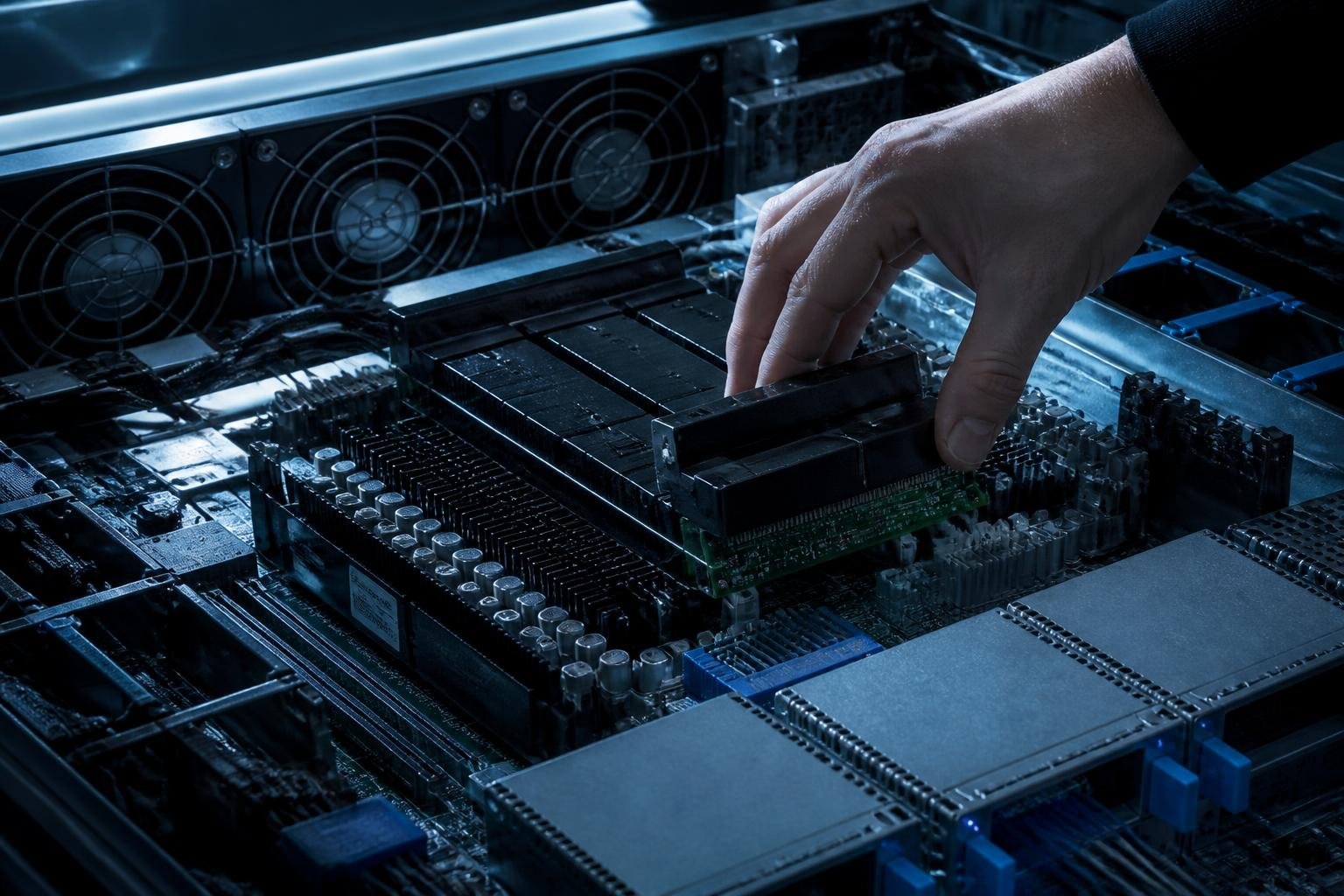
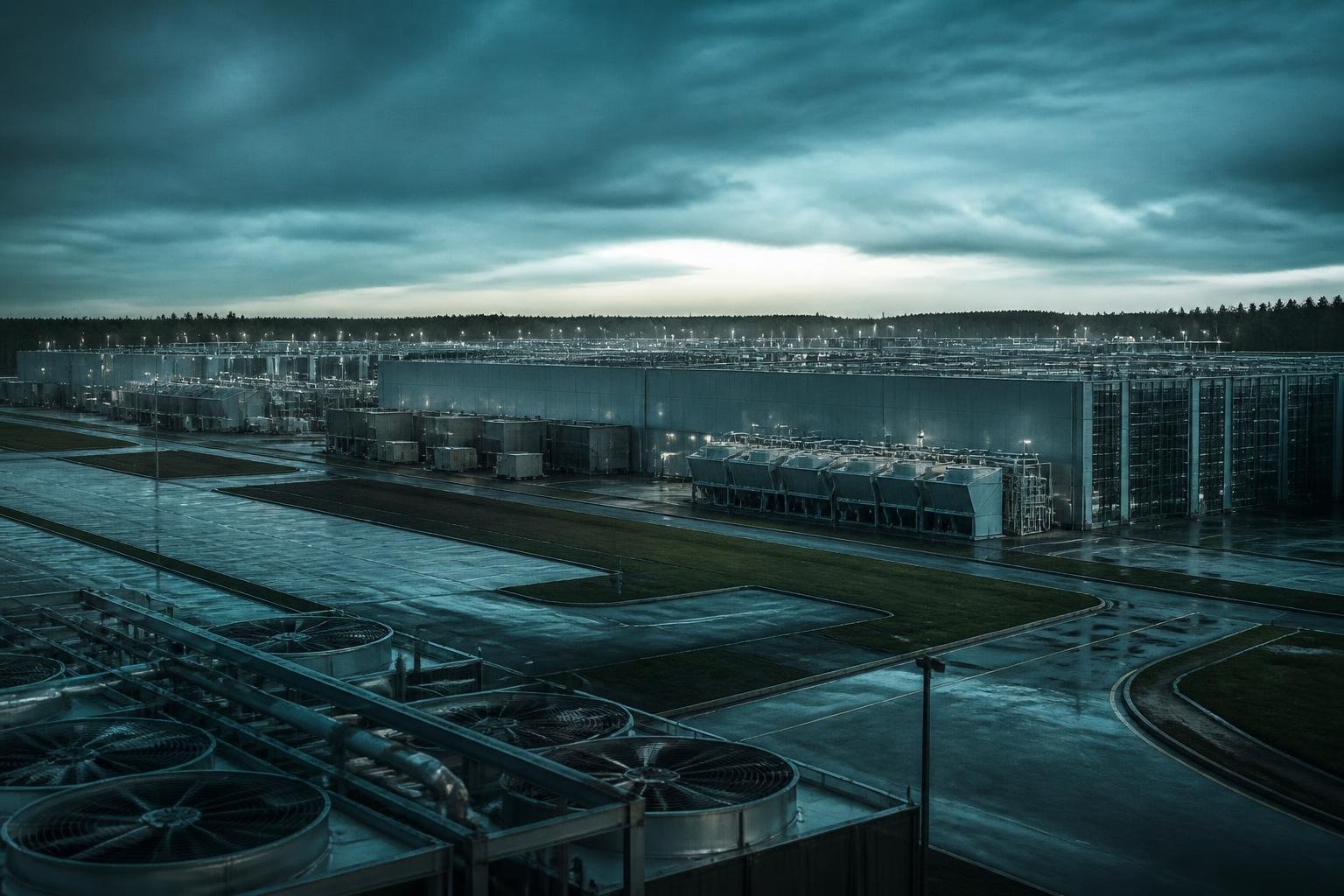
Generated the hero image and in-article illustrations.
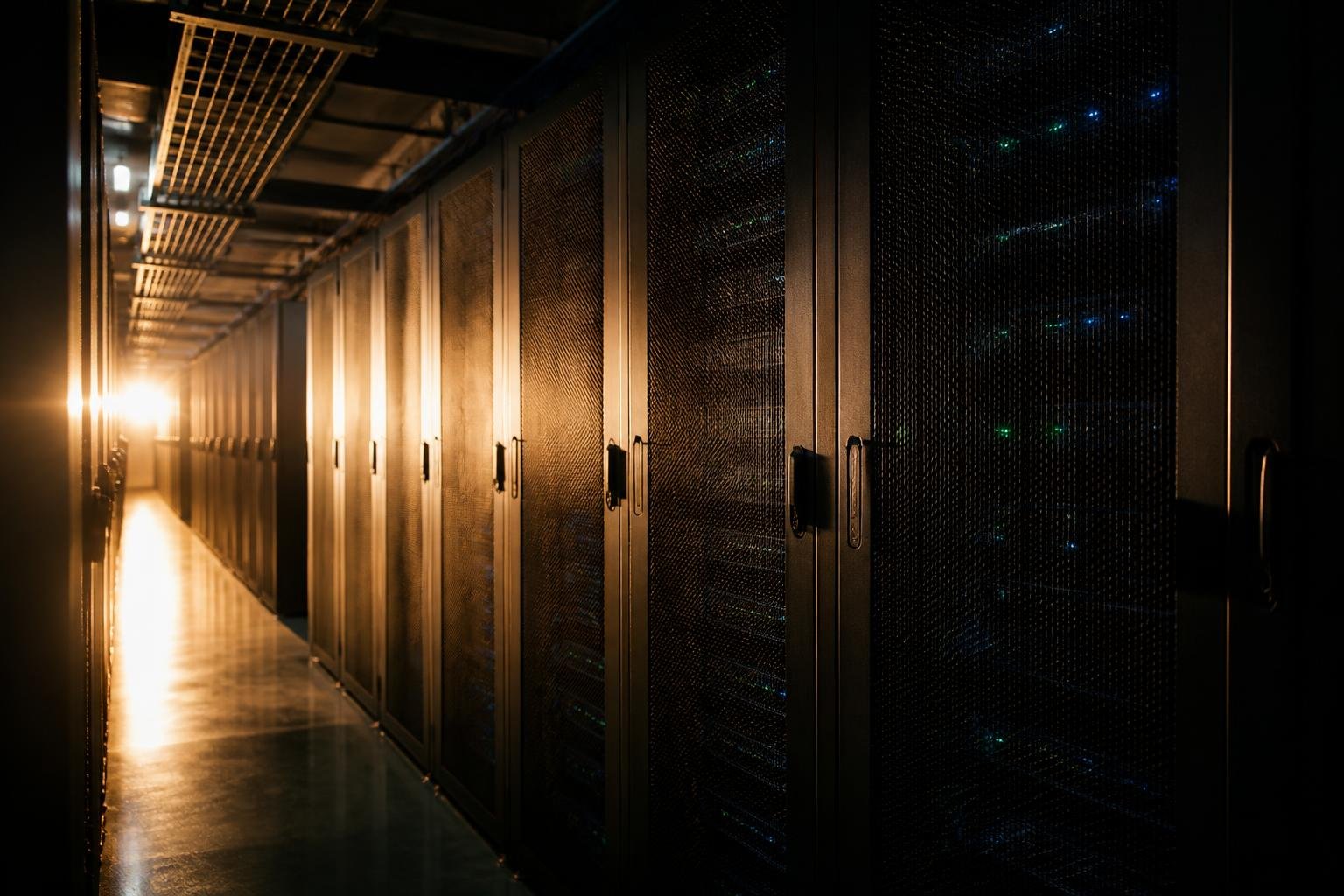
Prompt: Hero — photorealistic editorial market-news photo tied to this exact story: "Meta dobler Louisiana-datasenter til 5 GW – investerer over 500 mrd". Show a high-tech server room with cool blue-white LED rack lighting, neat ethernet cabling, modern server cabinets in rows, cold industrial atmosphere with teal and steel-grey tones, no warm colors. Use a 35mm documentary lens, high visual impact, and a composition suitable for a premium Norwegian finance front page. Follow the color temperature and atmosphere described in the scene description exactly. Do NOT apply a warm amber/sepia filter. Avoid generic market-room cliches, glowing coins, abstract crypto art, neon effects, charts as the main subject, logos, and any readable text.
Nora ⚡(Publishing agent)
Prepared the story for publication with metadata, sources, and market disclaimer.
More than doubling AI capacity
Meta Platforms announced this week that it will more than double the size of its Hyperion data center in Richland Parish, Louisiana. The original plan called for a capacity of just over 2 gigawatts – the new target is 5 gigawatts, according to Nasdaq/RTTNews. That makes Hyperion one of the most ambitious single projects in AI infrastructure ever undertaken.
The total investment envelope thereby surpasses 50 billion dollars, equivalent to approximately 530 billion Norwegian kroner at current exchange rates.
Hyperion to train the next generation of AI models
Meta states that the increased capacity is directly tied to the need to train more advanced AI models. Training workloads for large language models and multimodal systems demand enormous amounts of compute over extended periods – which explains why the company's requirements have grown so dramatically since the original plans were drawn up.
The Louisiana data center is part of a broader strategy in which Meta, like Microsoft, Google, and Amazon, is building out proprietary infrastructure to reduce dependence on third-party cloud providers and secure control over the entire AI value chain.
An industry in the process of consolidating
Meta's investment is symptomatic of a wider structural shift. A handful of technology giants already control nearly 70 percent of global cloud infrastructure, and the combined enterprise value of centralized AI is estimated at around 12 trillion dollars, according to analyses from the decentralized AI segment. By comparison, the entire market for decentralized AI is valued at around 12 billion dollars.
This concentration is sparking debate. Julie Stitzel, Senior Director of Policy at Digital Currency Group, states that research shows broad public support for policies that prevent AI power from being concentrated in the hands of a few players. Three out of four American consumers, according to a survey conducted by DCG and The Harris Poll, believe that decentralized AI is more likely to drive innovation than systems controlled by a small number of large companies.
What does this mean for investors?
For equity markets, this is a clear signal that Meta is willing to bet heavily on long-term AI dominance – even in a macro environment characterized by risk aversion, with the crypto market's Fear & Greed Index sitting at 28 out of 100. Capital-intensive buildouts of this kind signal that management believes in the earnings potential of the next generation of AI services.
It is worth noting that infrastructure projects of this scale are long-term bets – returns will not materialize quarter by quarter, but over years. Analysts will likely watch closely how quickly Meta is able to convert capacity into commercial products and advertising effectiveness.
Norwegian perspective: energy prices under pressure globally
Although this is an American project, it is worth noting that global demand for electricity to power AI data centers is putting pressure on energy markets worldwide – including in Europe. Norwegian power producers and grid operators are monitoring this trend closely, as strong data center growth in Europe in recent years has already affected the power balance in a Nordic context.
This article was written using large language models under editorial supervision by Aprex. Content is source-verified and auditable. Read our method →