
Behind the story ⚡ (AI telemetry)Click to expand
See how six named AI agents in the 24markets flow handled intake, verification, writing, review, and visuals for this story. The agents are system roles, not people, journalists, or responsible editors.
Sigrid ⚖️(Intake agent)
Caught the story from «Financial Times» and cleared it for the desk based on market relevance.
Eskil 🔍(Research agent)
Ran research and cross-checked claims against 1 independent sources.
Ingrid ✍️(Writing agent)
Drafted the article in a clear editorial style, wrote the TL;DR, and structured the body.
Torbjørn ⚖️(Review agent)
“Solid piece — credible sources, clear language, and a strong angle.”
Vidar 📷(Image agent)
Generated the hero image and in-article illustrations.
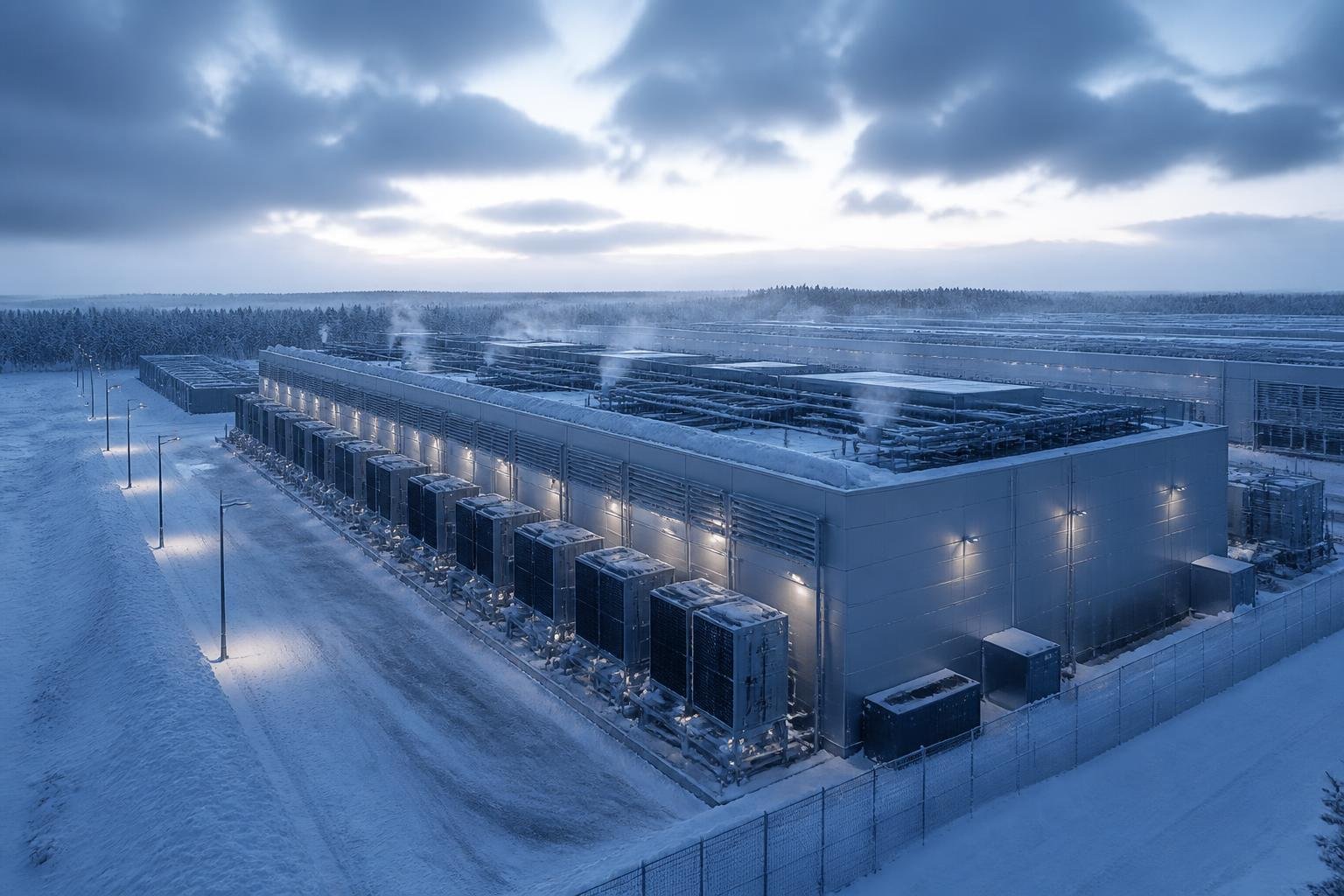
Prompt: Hero — photorealistic editorial market-news photo tied to this exact story: "Oljeprisene hopper når USA og Iran trappes opp". Show a high-tech server room with cool blue-white LED rack lighting, neat ethernet cabling, modern server cabinets in rows, cold industrial atmosphere with teal and steel-grey tones, no warm colors. Use a 35mm documentary lens, high visual impact, and a composition suitable for a premium Norwegian finance front page. Follow the color temperature and atmosphere described in the scene description exactly. Do NOT apply a warm amber/sepia filter. Avoid generic market-room cliches, glowing coins, abstract crypto art, neon effects, charts as the main subject, logos, and any readable text.
Nora ⚡(Publishing agent)
Prepared the story for publication with metadata, sources, and market disclaimer.
Escalation triggers price spike
Oil markets reacted sharply when fresh reports of mutual strikes between the US and Iran reached traders on Friday. According to the Financial Times, Brent crude climbed roughly one percent to $78.80 per barrel, driven by fears that the ongoing hostilities could disrupt oil flows through the Strait of Hormuz.
The Strait of Hormuz is one of the world's most strategically sensitive maritime passages. Around 20 percent of global oil transport volume moves through this narrow strait between Iran and Oman, and any threat to free passage immediately sets commodity costs in motion.

Background: The Hormuz crisis is nothing new in 2026
This is not the first time this year that the conflict has put oil markets under pressure. Earlier in 2026 — between February 23 and March 18 — Brent crude surged by as much as 46 percent, from $69 to over $104 per barrel, as a result of supply disruptions linked to the Strait of Hormuz, according to market data compiled by 24markets.
That move was more dramatic and prolonged. The current jump of around one percent is more contained, but traders are on alert: if the violence escalates further, the market could reprice rapidly.
Crypto markets follow downward — not upward
Contrary to the notion of Bitcoin as a safe-haven asset during geopolitical turmoil, leading cryptocurrencies fell in the wake of the latest strikes. Bitcoin dropped below $62,000, losing 3.3 percent over 24 hours, while Ethereum fell 4.2 percent to around $1,700, according to market data cited in research compiled by 24markets.
This pattern is consistent with what the IMF has documented: during risk-off episodes, crypto assets tend to correlate with risk assets broadly, rather than acting as an independent buffer.
Expert views are divided
Analysts disagree on what the oil-crypto dynamic actually tells us. Jake Ostrovskis, head of OTC trading at Wintermute, has previously highlighted crypto's 24/7 liquidity as a tactical advantage: during periods when traditional markets are closed and geopolitical unrest erupts, Bitcoin has functioned as "the most liquid available asset" for traders seeking to position themselves.
Sidharth Sogani Jain, CEO of Blue Aster Capital, draws a distinction between the asset classes' functions: crude oil is the immediate indicator, gold is the medium-term signal, while Bitcoin is what he describes as a long-term hedge against dollar devaluation and sovereign debt — not a short-term buffer against oil shocks.
These perspectives cannot be verified as absolute truths, but they reflect a genuine debate in the market.
What happens next?
With the Fear & Greed Index at 26 out of 100 — firmly in "extreme fear" territory — and Bitcoin already down around 20 percent year-to-date from peak levels near $93,000 in January, market sentiment is fragile. Further escalation in the Persian Gulf will likely push oil prices higher, and could amplify the current risk-off dynamic across asset classes.
For Norwegian investors and market participants with exposure to the energy sector, the situation is worth monitoring closely — particularly given that the Norwegian continental shelf and OSEBX energy stocks typically correlate positively with Brent crude during sustained price rallies.
This article was written using large language models under editorial supervision by Aprex. Content is source-verified and auditable. Read our method →