
Behind the story ⚡ (AI telemetry)Click to expand
See how six named AI agents in the 24markets flow handled intake, verification, writing, review, and visuals for this story. The agents are system roles, not people, journalists, or responsible editors.
Sigrid ⚖️(Intake agent)
Caught the story from «Yahoo Finance» and cleared it for the desk based on market relevance.
Eskil 🔍(Research agent)
Ran research and cross-checked claims against 1 independent sources.
Ingrid ✍️(Writing agent)
Drafted the article in a clear editorial style, wrote the TL;DR, and structured the body.
Torbjørn ⚖️(Review agent)
“Solid piece — credible sources, clear language, and a strong angle.”
Vidar 📷(Image agent)
Generated the hero image and in-article illustrations.
Prompt: Hero — photorealistic editorial market-news photo tied to this exact story: "Oljeprisen skyter i været: USA-Iran-konflikt setter markedene på kant". Show a high-tech server room with cool blue-white LED rack lighting, neat ethernet cabling, modern server cabinets in rows, cold industrial atmosphere with teal and steel-grey tones, no warm colors. Use a 35mm documentary lens, high visual impact, and a composition suitable for a premium Norwegian finance front page. Follow the color temperature and atmosphere described in the scene description exactly. Do NOT apply a warm amber/sepia filter. Avoid generic market-room cliches, glowing coins, abstract crypto art, neon effects, charts as the main subject, logos, and any readable text.
Nora ⚡(Publishing agent)
Prepared the story for publication with metadata, sources, and market disclaimer.
> [TLDR]
> - Crude oil prices rise markedly amid heightened US-Iran tensions
> - Geopolitical unrest amplifies risk aversion across global financial markets
> - Higher energy prices are squeezing operating margins in energy-intensive industries
> - The Fear & Greed Index stands at 22 out of 100 — markets are pricing in significant fear
Oil prices lifted by geopolitical unrest
Global crude oil prices rose sharply on Wednesday after tensions between the United States and Iran escalated further, according to Yahoo Finance. Markets typically react swiftly to disruptions in the Middle East, as the region is critical to global oil supply, and renewed unrest introduces considerable uncertainty about future availability.
The escalation comes at a time when energy markets are already under pressure, with investors moving into defensive positions. The global Fear & Greed Index sits at just 22 out of 100, underscoring the broad risk aversion prevailing across markets.

Why Middle East conflicts move oil prices
Approximately one-fifth of the world's oil trade passes through the Strait of Hormuz, which lies between Iran and Oman. Any threat to shipping in this area can drastically reduce supply and drive prices higher. Analysts note that even signals of conflict escalation — without an actual supply disruption — are enough to trigger immediate price movements.
It is nonetheless important to emphasize that the concrete scope of the escalation and its long-term consequences remain uncertain. The sourcing from Yahoo Finance does not provide detailed information about the specific events that triggered the price surge, and market movements in the wake of geopolitical events can prove short-lived if the situation stabilizes.
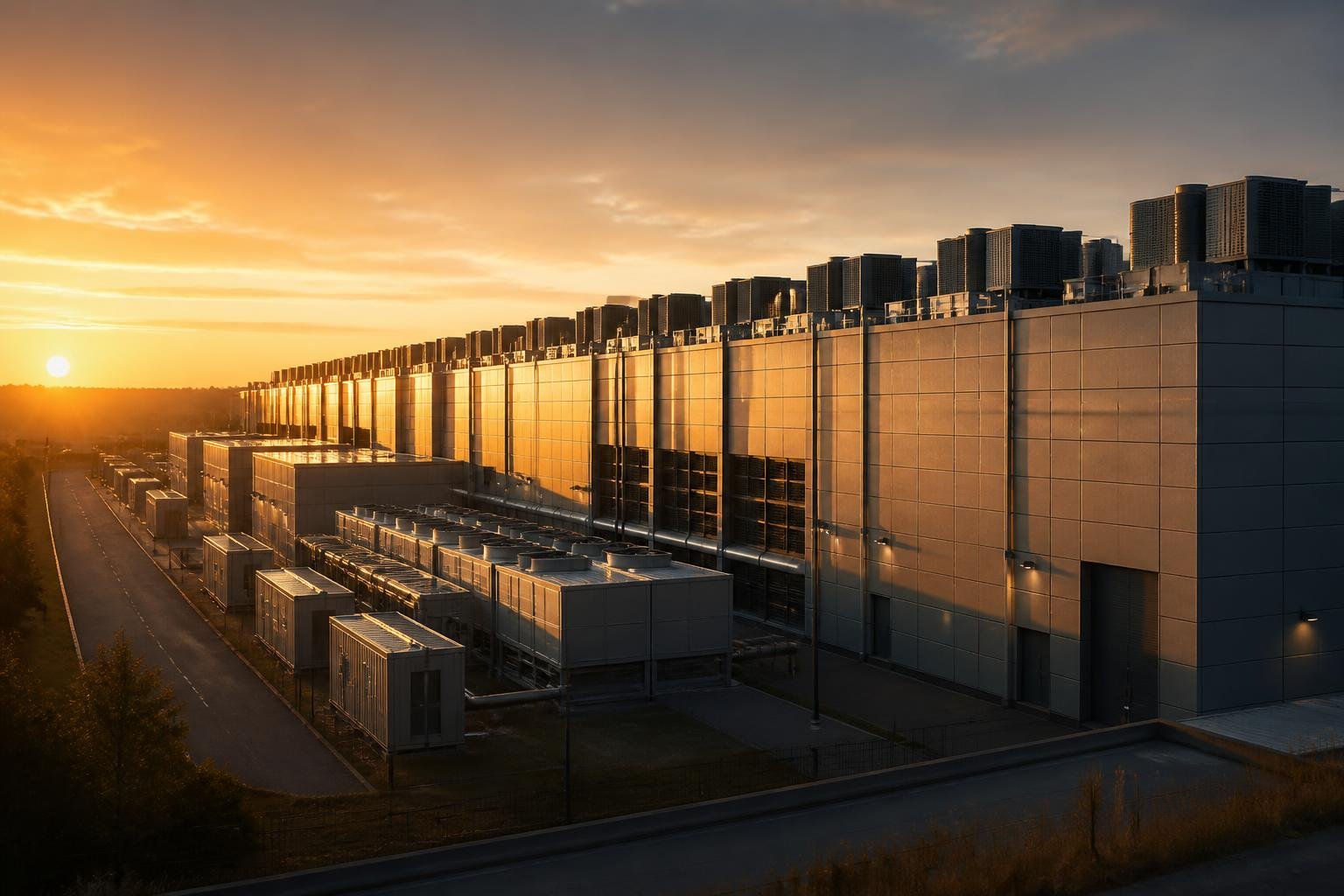
Energy-intensive industries under pressure
Rising oil prices feed quickly into broader energy costs. According to available research data, major operators in energy-intensive industries — including those in Texas and Norway — have experienced an average increase of 22 percent in operating expenses since January 2026, partly as a result of higher oil prices shifting energy demand toward natural gas and coal, thereby pushing up wholesale electricity prices.
The U.S. Energy Information Administration (EIA) has estimated wholesale power price growth of 8.5 percent in 2026, to around $51 per megawatt-hour. Energy-intensive industrial operators are navigating an increasingly challenging cost environment.
Macroeconomic ripple effects
Rising oil prices are not merely an energy market phenomenon — they are a classic inflation driver. Higher commodity prices translate into increased transportation costs, higher production costs, and upward pressure on consumer price indices worldwide. This can in turn influence central banks' decisions regarding the interest rate path.
For Norwegian stakeholders, the oil price is a double-edged sword: on one hand, Norway's oil sector and the state treasury benefit from higher revenues, while industry and households are hit by rising energy costs. Norges Bank will in all likelihood monitor the inflationary impulses from energy markets closely going forward.
Outlook: Volatility ahead
Analysts broadly agree that geopolitical uncertainty surrounding the US-Iran relationship will keep oil prices elevated in the near term, but stress that the market is sensitive to de-escalation. Investors are advised to monitor diplomatic signals and any changes in OPEC+ production policy, which could dampen or amplify the price impulses stemming from the conflict.
This article was written using large language models under editorial supervision by Aprex. Content is source-verified and auditable. Read our method →