AI investments spook Wall Street: Nasdaq down 1.3%
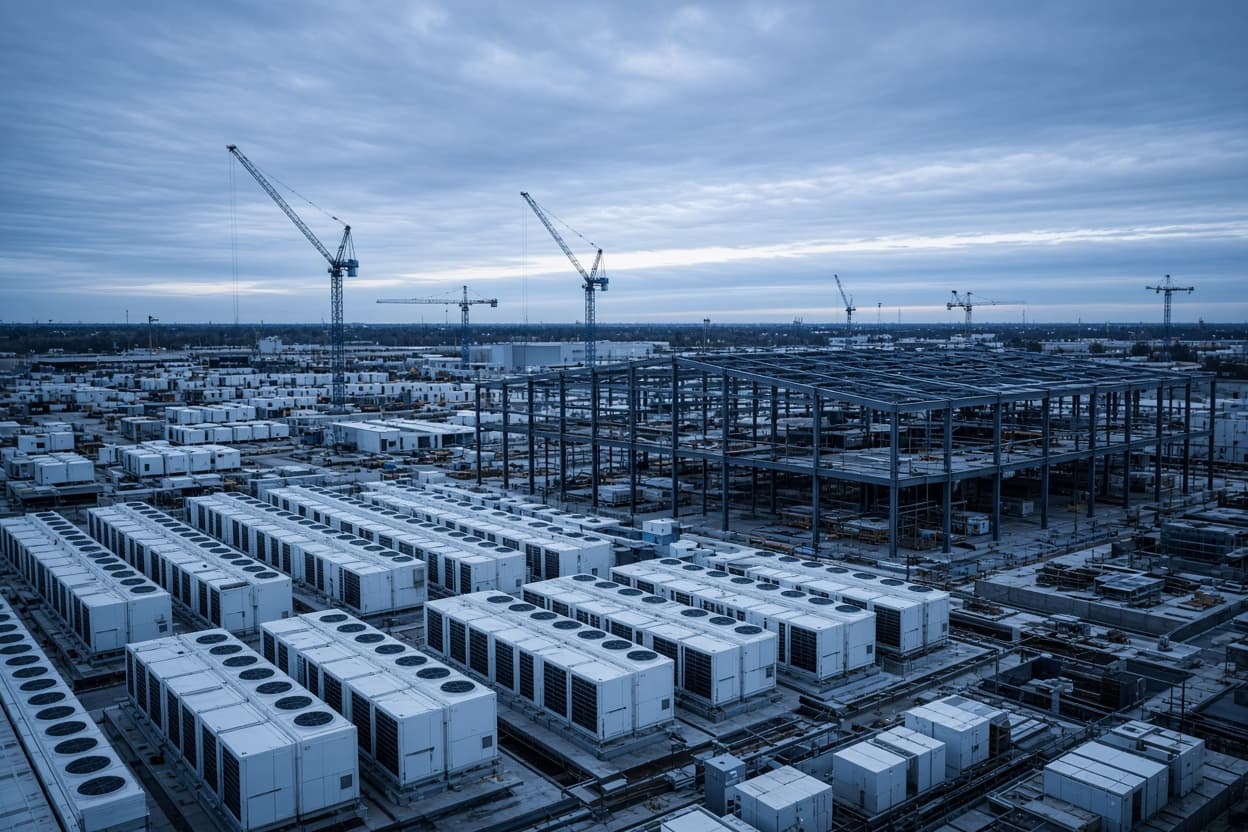
Alphabet and Microsoft's quarterly results show record-high investments in AI infrastructure, but weakened cash flow is sending U.S. tech stocks lower ahead of the opening bell.
40 ARTICLES
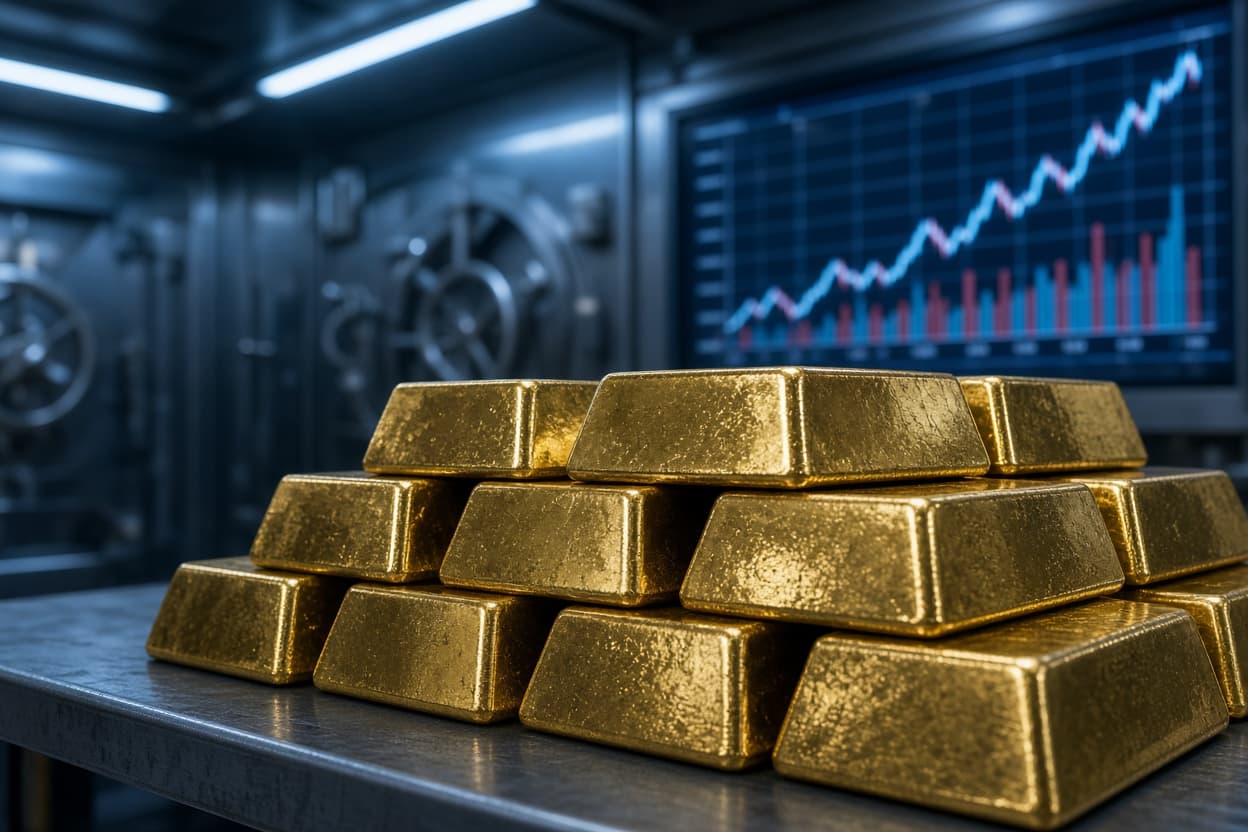
Gold is surging sharply above $4,130 an ounce after US election day sent the dollar and US Treasury yields lower. Investors are seeking safe haven amid political uncertainty.
Alphabet and Microsoft's quarterly results show record-high investments in AI infrastructure, but weakened cash flow is sending U.S. tech stocks lower ahead of the opening bell.
The Federal Reserve announces its interest rate decision on Wednesday at 2 PM ET, and the market has already priced in the outcome through the CME FedWatch tool. Here's what investors should watch for — and why it also matters for the crypto market.
An anticipated global copper shortage threatens to raise costs for everything from AI data centers and defense equipment to solar panels and offshore wind, according to the Financial Times.
President Trump has signed, but simultaneously postponed, new punitive measures against Russia. The oil price fell nearly 2 percent when the market opened Monday.
The International Monetary Fund believes the Bank of Japan is on the right track with gradual rate hikes, but asks the central bank to be ready to act faster if price growth takes off. The analysis points to a neutral rate of 1.1–2.2 percent by 2027.
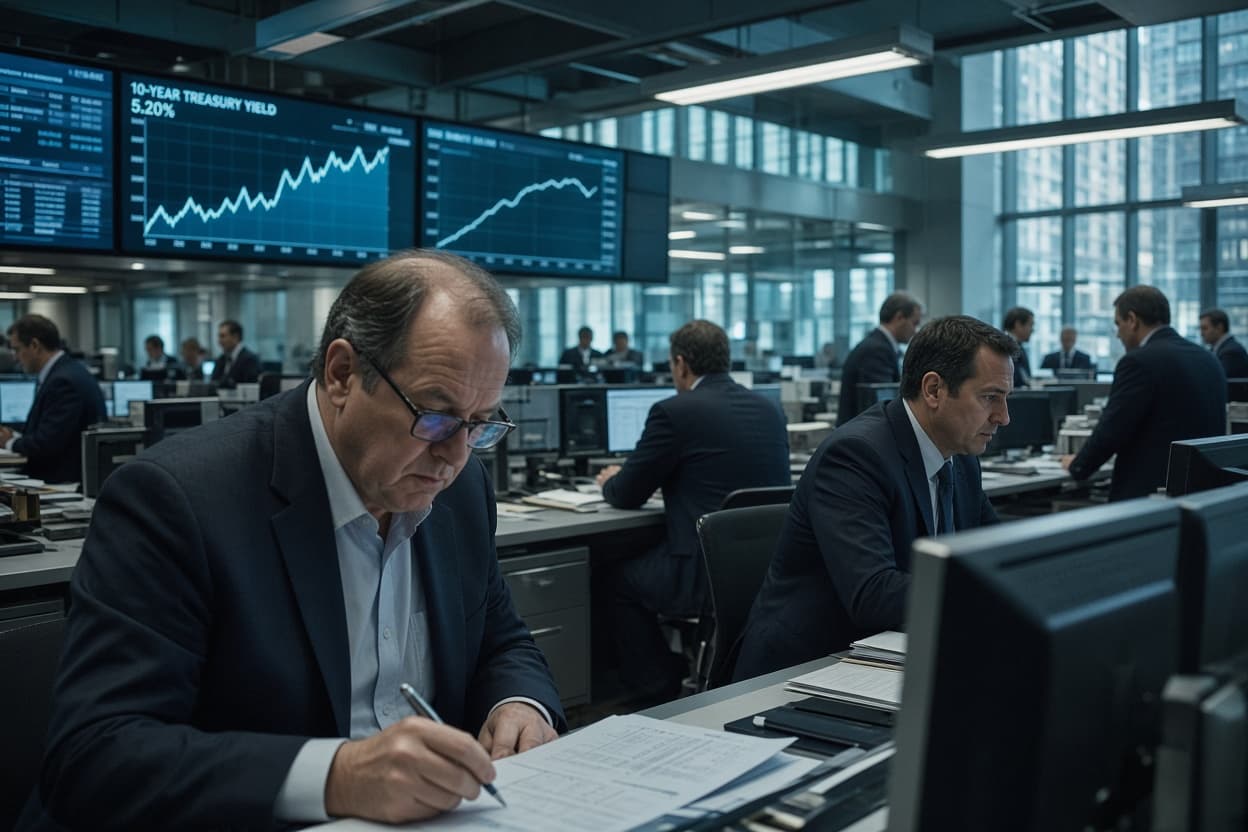
The US 10-year yield has crossed 5% for the first time since the mid-2000s. History from 2007 shows that a similar rate level preceded a sharp drop in the S&P 500 – but one data point is far from a guarantee.
Venezuela's acting president Delcy Rodríguez claims the country will attract nearly $76 billion in oil and gas investments over the next five years, following a controversial legal reform and partial sanctions relief from the US.
The futures market for Fed rates shows an abrupt shift: CME FedWatch figures are now said to price in a 20 percent probability of a rate hike at the October meeting — directly contradicting the prevailing narrative of continued easing from the central bank.
The minutes from the Federal Reserve's September meeting show that most committee members believe further rate hikes will likely be necessary before year-end, even as the labor market shows signs of cooling.
The New York Fed survey shows American consumers now expect 3.9 percent price growth over the next year – the highest level since May 2023. At the same time, expected wage growth is falling, and the Fed minutes point to yet another rate hike before year-end.
Long-term US Treasury yields continue rising toward levels not seen since the early 2000s, driven by a combination of AI investments, weak fiscal policy, and geopolitical unrest. Analyst points to seven specific reasons behind the increase.
Minneapolis Fed chief Neel Kashkari says inflation remains too high and has pencilled in one more rate hike this year, plus another in 2027. He believes the neutral rate may be higher than assumed.
Goldman Sachs has changed its forecast for the next US rate hike from October to December, after New York Fed chief John Williams signaled that the central bank is in no rush to make new moves.
Australia's central bank tightens again: The interest rate is raised by 25 basis points to 4.60 percent, driven by higher energy prices and persistent price pressure. RBA keeps the door open for yet another hike in November.
Weak demand at Treasury auctions and increasing probability of a Fed rate hike in October have pushed the 10-year US yield above 5.2 percent, the highest since June 2007.
A new analysis from Seeking Alpha points to a rare combination of signals — sky-high AI investments, rising bond yields and geopolitical unrest — that have historically been precursors to sharp corrections in risk assets, including cryptocurrency.
The Chinese central bank set the USD/CNY reference rate at 6.7521 on Thursday – the strongest level for the yuan since February 2023 – while simultaneously injecting over 560 billion yuan into the money market.
Nasdaq, S&P 500 and Dow turned upward Thursday after the Federal Reserve raised its policy rate by 25 basis points to 3.75–4.00 percent. Bitcoin held above $76,000, and the market reaction fits a recognizable pattern from previous rate meetings.
The Atlanta Fed's growth model GDPNow has jumped from 4.4 to 5.1 percent for the third quarter, timed right before today's expected rate hike from the Federal Reserve. Strong growth could mean less dovish signals from the central bank – which has historically been a headwind for Bitcoin and risk assets.
US stocks fell broadly on Monday as concerns over an AI slowdown met rising bond yields and more expensive crude oil. Bitcoin is holding above $75,000 for now, but history shows crypto rarely emerges unscathed from a rate squeeze.
Moscow says it is positive toward an American proposal for a truce in the energy sector between Russia and Ukraine, but directly links its support to demands for relief from Western sanctions.
Austrian central bank governor Martin Kocher says the risk of persistently high inflation in the eurozone has increased significantly in recent months, with oil prices as a key risk factor.
US stock futures fell Tuesday morning after the oil price broke through $100 a barrel and a hotter-than-expected PPI figure sharpened expectations of further rate hikes. Bitcoin fell below $77,000, while investors also await Oracle's quarterly figures.
Fed Chair Kevin Warsh sent clear signals of a possible rate hike following his Jackson Hole speech, declaring inflation the central bank's 'foremost focus' and warning that financial conditions are not restrictive enough.
Crude oil prices continue to climb after Iran threatened energy infrastructure in the Gulf, amplifying market uncertainty and sending shockwaves through risk assets globally.
Iraq holds the world's fifth-largest oil reserves and has set ambitious production targets, but decaying infrastructure, gas flaring, and security challenges make the dream of challenging Saudi Arabia a highly complex affair.
Following U.S. strikes on Iranian oil tankers, Iran's parliamentary speaker warns of a faster and more painful response. Commodity and financial markets are holding their breath.
The US added 162,000 jobs in August – far above expectations. Markets are now pricing in more than a 58 percent chance of a Fed rate hike in September.
U.S. Treasury Secretary Scott Bessent believes a military confrontation with Iran would send oil prices down toward $40 a barrel — running directly counter to historical patterns from Middle East conflicts.
A surprisingly strong U.S. employment report for August sent Bitcoin tumbling from above $81,000 to below $76,000 in a matter of hours, as fears of interest rate hikes resurfaced.
Fed Governor Christopher Waller signals he is prepared to hold interest rates unchanged in September if inflation data continues to improve. Markets react swiftly – Bitcoin climbs above $81,000.
Kuwait reports Iranian missile and drone strikes, with Kuwaiti air defenses on full alert. Oil prices react immediately to the upside as markets assess the risk of supply disruptions in the Strait of Hormuz.
Two Filipino seafarers have been killed following the attack on a Saudi oil tanker in the Strait of Hormuz. As Iran escalates rocket and drone strikes against American bases, shipping traffic has shrunk to historically low levels.
CENTCOM confirms that US forces struck Iranian air defense, radar, and naval installations on Sunday after Iran attempted to lay mines in the Strait of Hormuz. Crude oil prices are climbing toward their highest level in over a month.
Two giant oil tankers have been hit by unknown projectiles in the Strait of Hormuz, according to maritime risk analysis firm Marisks. The incident puts the fragile oil supply at risk and sends fresh shockwaves through energy markets.
Japan's ten-year yield has risen to three percent for the first time since 1996, a level that could send shockwaves through global financial markets and put pressure on risk assets worldwide.
President Trump confirms that ExxonMobil is ready to enter Venezuela as part of what is being described as one of the largest oil deals in years. The agreement could reshape global energy markets and influence inflation and interest rate trajectories.
Iran calls Trump's AI-generated video of Kharg Island "ridiculous," while new U.S. strikes and Iranian retaliatory attacks increase pressure across the Middle East and commodity markets.
Iran's Revolutionary Guard claims to have stopped and ignited a supertanker using sea mines in the Strait of Hormuz. The incident is the latest in a series of attacks that have halved the flow of oil through the world's most critical shipping lane.